





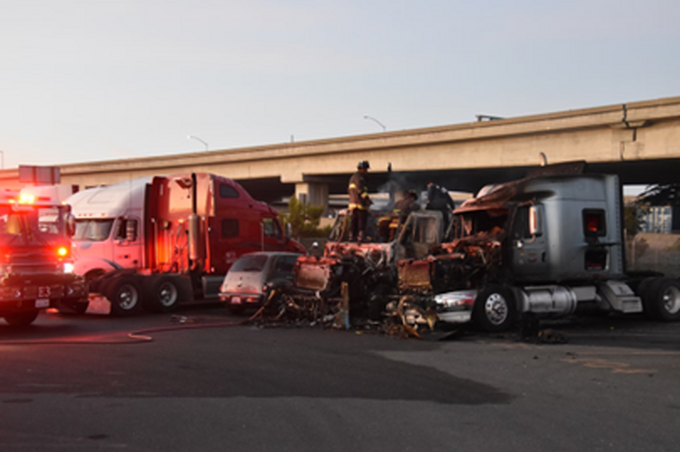
Photo by Bill Aboudi on Unsplash Interstate highways witness thousands of truck accidents annually, with severe crashes steadily climbing despite comprehensive federal regulations. The deadliest incidents often involve multiple vehicles, extensive property damage, and life-altering injuries that capture media attention and prompt regulatory reviews.
These catastrophic wrecks serve as real-world audits of federal safety standards, revealing where regulations succeed and where enforcement falls short. They force uncomfortable questions about enforcement, compliance, and whether trucking companies treat regulations as genuine safety measures or administrative checkboxes.
The Federal Framework Governing Truck Safety
The Federal Motor Carrier Safety Administration establishes nationwide standards designed to prevent truck accidents before they occur. Core regulation address two critical areas:
Hours of Service Rules
- Maximum driving time of 11 hours after 10 consecutive hours off duty.
- Required 30-minute breaks after eight hours of driving.
- Weekly limits preventing excessive consecutive workdays.
Vehicle Maintenance Standards
- Mandatory inspection schedules for brakes, tired, and critical truck systems.
- Documentation requirements for all repairs and service work.
- Annual inspections conducted by certified mechanics.
These regulations aim to eliminate the most common causes of severe truck crashes: fatigued drivers and mechanical failures. However the system depends heavily on voluntary compliance and limited enforcement resources. Issues arise when delivery deadlines override safety protocols, and some regulations have not kept pace with modern trucking operations or vehicle technology.
When Federal Laws Are Put to the Test
Serious truck accidents expose the difference between regulatory intent and practical enforcement. Drivers regularly exceed the hours-of-service regulation and create falsified driver records. Audits will only pick up on these violations after the accident has injured or killed innocent people. Crashes uncover systematic compliance failures that often existed for months or years without detection.
Proving that federal violations directly caused an accident presents several challenges. Multiple factors contribute to truck accidents, making it difficult to establish that a single regulatory breach was the determining factor. Serious truck accident attorneys understand how to establish causation during court proceedings - showing that excessive driving hours led to fatigue, which caused the driver to fall asleep, resulting in the collision.
Implications for Future Regulation and Litigation
High-profile crashes consistently drive regulatory updates. After several accidents involving driver distraction, the FMCSA banned handheld mobile device use for commercial drivers. Inadequate driver training have prompted proposals for enhanced qualification requirements and more rigorous testing standards.
Trucking companies now face pressure to ensure compliance beyond the minimum requirements. Juries expect carriers to implement safety measures that exceed federal mandates, rewarding companies that invest in advanced collision avoidance systems, driver monitoring and preventative maintenance programs. Catastrophic cases push industry standards higher, even when federal regulations haven’t caught up to available technology.
Future Protection Mechanisms
Catastrophic truck wrecks test whether federal safety laws work in practice or only on paper. Each serious accident raises questions about enforcement capacity, regulatory adequacy, and whether current standards address real-world trucking operations. The relationship between regulation, enforcement, and accountability continues evolving through both courtroom verdicts and policy discussion.
As freight volume grows and severe accidents persist, will these cases keep pressing the industry toward higher standards and forcing regulators to confront the difference between rules that exist and rules that matter.