



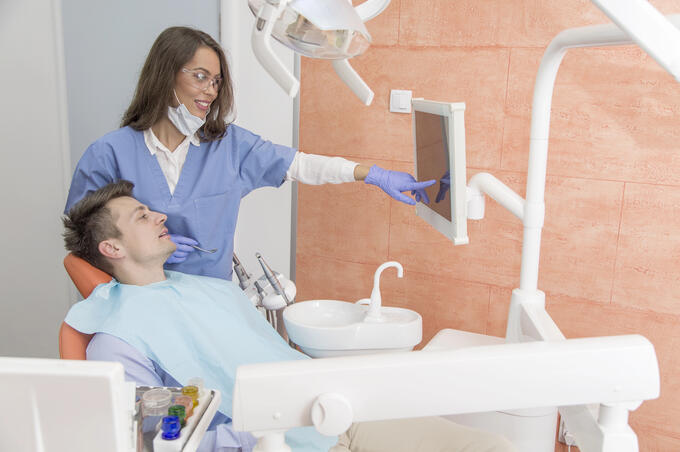
Going to the dentist is one of those necessary yet often delayed tasks many people struggle with. While dental professionals understand the importance of regular checkups for long-term oral health, patients often cancel, postpone, or simply forget about their appointments. On the surface, this may seem like a simple scheduling issue—but beneath it lies a mix of psychological, emotional, and behavioral factors. Understanding these underlying causes can help dental practices adopt smarter, technology-driven solutions to reduce no-shows and create a better experience for both patients and providers.
Fear and Anxiety: The Root of Avoidance
Dental anxiety is one of the leading reasons patients avoid appointments. For many, the sound of drills or even the scent of a dental office can trigger stress or panic. This emotional discomfort can lead patients to procrastinate scheduling visits or cancel at the last minute. From a psychological standpoint, this avoidance behavior is a coping mechanism—by putting off the appointment, the patient temporarily escapes the stress associated with it.
Modern dental software can help soften this anxiety by introducing gentle, personalized communication. Automated reminders and messages that explain what to expect can ease uncertainty, helping patients feel more in control and informed. Features like pre-appointment questionnaires or calming tips included in reminder emails make the interaction feel human, not mechanical.
The Forgetfulness Factor: Out of Sight, Out of Mind
Even patients with the best intentions can simply forget. Busy schedules, family obligations, and work distractions make it easy for appointments to slip through the cracks. Psychologically, people tend to prioritize urgent over important tasks—and preventive dental care rarely feels urgent until pain appears.
This is where automation shines. Reminder dental software ensures that patients receive consistent notifications through their preferred communication channels—text, email, or even phone calls. By sending reminders at optimal times and with clear instructions, the system combats natural forgetfulness and helps patients follow through on their commitments without extra effort.
Perceived Inconvenience and Time Barriers
Many patients associate dental appointments with inconvenience—taking time off work, commuting, or waiting in the office. These perceived barriers often outweigh the perceived benefits of preventive care. From a psychological perspective, people naturally choose options that minimize friction and maximize comfort, even if that choice isn’t in their best long-term interest.
Dental management software can directly address these concerns. Online booking options, flexible scheduling, and automated confirmations make the process feel effortless. Patients can select available times that work best for them without calling the office, reducing hesitation and empowering them to take control of their health.
Financial Stress and Avoidance Behavior
Another hidden driver of missed appointments is financial anxiety. Even patients with dental insurance may fear unexpected costs or copayments. When people feel uncertain about money, they often avoid situations that might trigger guilt or discomfort—like talking about treatment costs.
Automated systems can help mitigate this barrier too. Dental platforms that send pre-appointment cost estimates or payment reminders reduce uncertainty and build trust. When patients know exactly what to expect financially, they’re more likely to show up and follow through with care.
The Role of Communication and Relationship Building
At the heart of the issue is communication—or the lack of it. Patients who feel known and cared for by their dental office are less likely to skip appointments. Regular, empathetic communication helps transform dental care from a transactional experience into a relationship built on trust and consistency.
Dental reminder tools make this easier by personalizing outreach. A patient who receives a text saying “Hi Sarah, we’re looking forward to seeing you for your cleaning next Thursday!” feels acknowledged and valued. These small touches not only reduce no-shows but also strengthen long-term loyalty.
Data-Driven Insights That Improve Outcomes
Beyond reminders and scheduling, advanced dental software gathers valuable data that helps practices understand patient behavior. By identifying patterns—such as which days have the highest no-show rates or which types of appointments are often rescheduled—dentists can adjust operations and communication strategies accordingly. This turns what used to be guesswork into measurable, actionable insight.
For example, if the system notices that patients between certain age ranges tend to cancel afternoon appointments, the practice can offer alternative times or send additional nudges tailored to that group. This proactive approach transforms missed appointments into opportunities for smarter engagement.
A Future Where Every Appointment Counts
Missed dental appointments aren’t just about scheduling—they’re about psychology, communication, and trust. By understanding the emotional and practical reasons behind no-shows, dental practices can use modern technology to address them in thoughtful, effective ways. Automated reminders, online scheduling, and personalized messages aren’t just conveniences—they’re tools that help patients feel supported rather than pressured.
When dental offices blend empathy with innovation, they create an environment where patients show up not out of obligation, but because they genuinely want to take care of their health. In the end, that’s the real power of software—it bridges the gap between intention and action, ensuring every smile gets the care it deserves.