





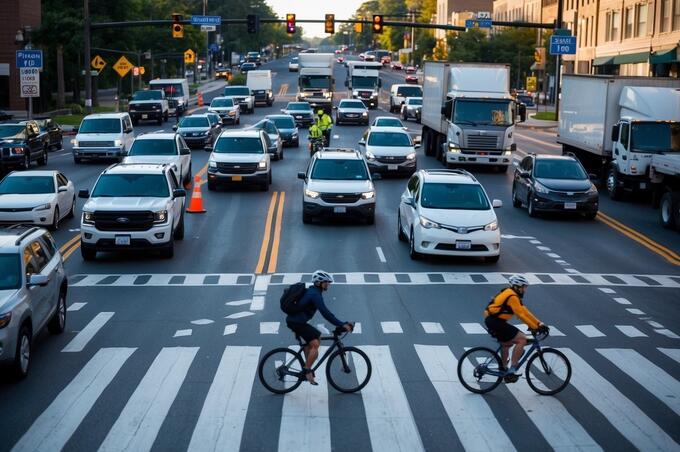
Every road user has a critical responsibility that goes beyond merely obeying traffic laws. The duty of road users encompasses taking reasonable care to avoid causing harm to others on the road. This involves being vigilant, anticipating the actions of other road users, and ensuring that their own actions do not lead to accidents or injuries.
Drivers, cyclists, and pedestrians alike have roles to play in maintaining safety and ensuring that road use is smooth and orderly. This requires understanding and following the specific rules that apply to each category of road user. Complying with traffic signals, speed limits, and awareness of one's surroundings are fundamental aspects of this shared responsibility.
The importance of human behavior in road safety cannot be overstated, as personal actions significantly impact overall accident rates. Adherents to this shared responsibility not only protect themselves but also contribute to a safer environment for everyone on the road.
Legal Framework Governing Road Users
The legal framework for road users encompasses a broad range of traffic laws and state-specific regulations. These rules are designed to ensure the safety and orderliness of roadways by requiring individuals to adhere to specific standards while driving. Compliance is essential to avoid accidents and maintain proper traffic flow.
Understanding Traffic Laws
Traffic laws form the backbone of the legal framework for road users. They include rules about speed limits, right-of-way, and the use of turn signals. For instance, all drivers must follow road signs and traffic signals to promote safety.
These laws also emphasize the importance of driver responsibilities, such as yielding to pedestrians and not driving under the influence. Enforcement of these laws is carried out by traffic officers who issue penalties for violations.
Adherence to these laws is critical not only for the safety of the individual driver but also for the safety of others using the roads.
State-Specific Regulations
State-specific regulations vary and can significantly influence driving requirements. In California, for instance, the law mandates that all commercial vehicle drivers are held to a higher standard of safety. This includes checking for vehicle malfunctions and logging driving hours.
These laws may also include distinctive measures related to environmental concerns, such as emissions testing requirements. Each state has its own Department of Motor Vehicles (DMV) that provides guidelines and updates on these regulations.
Road users must be aware of the regulations of the states through which they travel to ensure compliance and avoid legal trouble.
Responsibilities of Drivers
Drivers play a crucial role in ensuring road safety, with responsibilities extending beyond just steering the wheel. Key areas of focus include adherence to traffic signals, which promotes orderly traffic flow, and the safe operation of the vehicle, ensuring both the driver's and the passengers' safety.
Adherence to Traffic Signals
Drivers must comply with all traffic signals, such as stop signs, yield signs, and speed limits. Obeying these signals is not only a legal obligation but also a fundamental component in reducing accidents and avoiding traffic congestion. Failing to stop at a red light or ignoring a yield sign can lead to collisions and endanger all road users.
Traffic signals also include pedestrian crossings, where drivers are expected to halt and give precedence to pedestrians. Following clear road markings and understanding various traffic signs help maintain a smooth and safe driving experience. It is important for drivers to be vigilant and cautious, especially in areas with heavy pedestrian traffic.
Safe Vehicle Operation
Safe operation of the vehicle involves maintaining control, guidance, and navigation at all times. Drivers are tasked with ensuring that their vehicles are well-maintained and roadworthy, which includes regular checks of brakes, tires, and lights. This reduces the risk of mechanical failure that can lead to accidents.
Additionally, prompt attention to weather conditions and adapting driving speed and distance accordingly is necessary. For example, during wet conditions, drivers should be aware of their vehicle's limitations and reduce speed to prevent hydroplaning. Furthermore, precautionary measures such as wearing seat belts and securing loads are vital in enhancing the safety of all vehicle occupants.
Expectations from Pedestrians
Pedestrians have specific responsibilities on the road, including respecting the right of way and using designated crosswalks. These actions help ensure their own safety and the safety of other road users.
Right of Way
Pedestrians are expected to respect and adhere to traffic signals and signs, which dictate when they have the right of way. By doing so, they contribute to a safer environment for everyone on the road. Intersections can be particularly hazardous areas, so pedestrians must wait for the appropriate signal before crossing.
In situations where there is no signal, pedestrians should use caution and make eye contact with drivers to ensure they have been seen before stepping into the street. It is important for pedestrians to always remain alert and avoid distractions, like mobile phones, which can lead to accidents.
Coordination with vehicles is crucial. Pedestrians should never assume that drivers will stop, even when they have the right of way. It's important to be proactive and vigilant, ensuring that they are visible and have assessed the situation before proceeding.
Using Designated Crosswalks
Using designated crosswalks is a fundamental duty for pedestrians. These areas are specifically designed for pedestrian safety and are often marked with road signs and signals that help manage traffic flow. Crosswalks provide a safer path across streets, reducing the risk of accidents.
When utilizing crosswalks, pedestrians should pay close attention to traffic conditions and cross only when it is safe. If a crosswalk is unavailable, pedestrians should cross at well-lit intersections and areas with clear visibility to maximize safety.
Jaywalking, or crossing the street outside of designated crosswalks, can be hazardous. Pedestrians must adhere to traffic laws by using crosswalks whenever possible. This practice not only enhances their safety but also ensures compliance with local regulations, contributing to the overall orderly conduct of road traffic.
Bicyclists' Road Use
Bicyclists play a crucial role in traffic dynamics, impacting both safety and efficiency on the road. They must adhere to specific guidelines concerning the use of bicycle lanes and the sharing of road space with vehicles.
Bicycle Lanes and Paths
Bicycle lanes and paths are specifically designated for cyclists to provide a safer riding environment. These lanes are typically marked with clear signage and distinct road markings. Cyclists should stay within these lanes whenever possible, ensuring they travel in the same direction as the traffic flow. This practice not only enhances safety for cyclists but also reduces potential friction with motor vehicles.
In urban areas, some cities have implemented bike paths that are separated from the main roads. This infrastructure aims to protect cyclists from car traffic and encourage more people to take up cycling as a means of transport. Whether in bike lanes or separated paths, cyclists should always remain vigilant of pedestrians and other cyclists to prevent accidents.
Sharing the Road
Cyclists are obligated to share the road with motorists while observing all traffic laws. They must signal their intentions, use appropriate hand signals, and adhere to traffic signals and stop signs, much like other road users. A cooperative approach ensures the safety and smooth flow of traffic.
Cyclists are expected to ride predictably and avoid sudden maneuvers that could surprise motorists. Being aware of road hazards like surface conditions and drainage grates is vital. When no bike lane is available, cyclists may need to take the lane for better visibility and safety, prompting caution from both parties for harmonious road sharing.
Commercial Vehicle Operators
Commercial vehicle operators have specific responsibilities that ensure the safety and efficiency of road transportation. Their duties include obtaining appropriate licenses and ensuring cargo is securely loaded for safe transit.
Special Licenses and Endorsements
Commercial vehicle operators must obtain a special commercial driver's license (CDL) to legally operate large vehicles. The CDL ensures that drivers have the necessary skills and knowledge to handle commercial vehicles safely. Endorsements may be required for transporting hazardous materials or operating specific vehicle types, such as tankers or passenger buses.
Training programs and exams typically cover vehicle control, safety regulations, and specific skills relevant to the vehicle type. Demonstrating proficiency in these areas helps protect the safety of all road users. For more information, consult resources like the American Bar Association.
Cargo Securement
Cargo securement is a critical duty for commercial vehicle operators. Properly securing cargo prevents shifts or spills during transit that could pose serious risks to other road users. Operators must use appropriate tie-downs, tarps, and other securement equipment to ensure stability.
They must adhere to specific regulations regarding the weight distribution and securement methods for different cargo types. Failure to secure loads properly can result in legal penalties and safety hazards. Guidance from organizations such as the FMCSA provides essential information on best practices for cargo securement.
Motorcyclists on the Road
Motorcyclists play a critical role in road safety with specific duties to ensure their own protection and that of other road users. Focusing on safety gear like helmets and understanding lane splitting policies is essential for them.
Helmet and Safety Gear
Wearing a helmet is one of the most fundamental responsibilities of a motorcyclist. Helmets significantly reduce the risk of head injuries in the event of an accident. According to safety standards, helmets should meet specific certifications, providing maximum protection. In states like California, wearing helmets is mandatory, reflecting their importance in road safety.
Additional safety gear includes gloves, protective jackets, pants, and boots. These items help prevent severe injuries from impacts and can offer protection against harsh weather conditions. It is vital for motorcyclists to invest in high-quality gear designed specifically for riding. This commitment to wearing proper gear illustrates a motorcyclist's responsibility to prioritize safety at all times.
Lane Splitting Policy
Lane splitting refers to the practice of riding between lanes of slowed or stopped traffic. This is a legal practice in California, where specific guidelines ensure the maneuver is executed safely. Motorcyclists should only perform lane splitting when traffic is moving at a slow pace, as it requires attentiveness and precise handling.
To perform lane splitting safely, motorcyclists must be aware of surrounding vehicles' movements and maintain a safe speed differential. Predictability is crucial, requiring adherence to road rules and clear communication with other road users. Lane splitting calls for a high level of skill and experience, highlighting the need for motorcyclists to continuously improve their riding abilities.
Handling Emergencies and Accidents
In emergency situations or after an accident on the road, it's crucial to act swiftly and decisively. Taking appropriate steps can help ensure the safety of everyone involved and facilitate a smooth resolution.
Emergency Procedures
In the event of an emergency, road users should immediately reduce speed to prevent further hazards. Using hazard lights can signal other drivers to proceed with caution. Placing cones or flares around the scene is advisable if it is safe to do so. These actions can be critical in high-traffic areas to alert oncoming traffic.
Drivers should assess the situation for injuries and call for medical assistance without delay. If possible, move vehicles to a safe location to avoid traffic congestion and additional incidents. Understanding how to handle emergencies effectively can reduce panic and improve response efficiency.
Reporting Incidents
After ensuring immediate safety, drivers should document the incident thoroughly. This includes taking photos of the scene, collecting names and contact information of any witnesses, and noting details of the other involved vehicles. Contacting law enforcement is important for official documentation, which can be useful for insurance claims.
Drivers should promptly report it to car insurance. Accurate and timely reporting can aid in the claims process and safeguard against potential liabilities. Understanding required procedures for reporting accidents helps ensure that all necessary steps are taken for legal and insurance purposes.
Insurance and Liability
Drivers and vehicle owners must navigate a complex landscape of insurance requirements and liability laws to ensure proper coverage and responsibility. These elements vary significantly depending on the state and can impact how damages and injuries are compensated after road incidents.
Insurance Requirements
In the United States, insurance requirements are mandated at the state level. For instance, Pennsylvania requires vehicle owners to maintain vehicle liability insurance as a form of financial responsibility. This covers costs associated with accidents, including medical expenses and property damage.
Some states, like California, have specific minimum insurance coverage limits. These limits include bodily injury liability per person, bodily injury per accident, and property damage liability. Meeting these requirements is necessary to avoid penalties and ensure adequate protection for all parties involved.
Fault and No-Fault States
The distinction between fault and no-fault states influences how insurance claims are processed after an accident. In fault states, the individual responsible for the accident is liable for damages, which their insurance typically covers.
In contrast, no-fault states require each party to report to their car insurance for their own injury claims, regardless of who caused the accident. This approach aims to streamline claims processing and reduces the need for litigation. Understanding these differences is crucial for road users looking to navigate insurance and liability effectively.
Road User Etiquette
Road user etiquette involves the thoughtful behaviors and actions that contribute to safer and more pleasant journeys for everyone. Key aspects include showing courtesy to others on the road and effectively managing emotions to prevent road rage incidents.
Courtesy to Other Road Users
Courtesy when on the road means actively considering the needs and safety of other drivers, pedestrians, and cyclists. Behaviors such as using turn signals, yielding to emergency vehicles, and allowing cars to merge smoothly into your lane prevent misunderstandings and collisions. Drivers should maintain a safe following distance and avoid unnecessary honking or aggressive gestures. Practices like these promote smooth traffic flow and create a cooperative environment. Ensuring passengers also adhere to rules, like wearing seat belts, reflects a driver’s commitment to collective road safety. Understanding that politeness and alertness go hand in hand can lead to more harmonious driving encounters.
Addressing Road Rage
Road rage represents a significant risk to safety, characterized by aggressive behaviors such as shouting or making rude gestures. To address road rage, drivers should practice emotional control by staying calm and focusing on breathing or listening to soothing music. Avoid engaging with irate drivers or retaliating; instead, maintain distance and prioritize personal safety. If another driver is behaving aggressively, drivers should not make eye contact and should seek help from authorities if necessary. Practicing mindfulness about triggers for road rage can help drivers anticipate situations where tensions might escalate. Road user discussions and community initiatives can also lead to broader awareness and encourage the adoption of peaceful driving habits.
Maintenance of Roads and Infrastructure
Effective maintenance of roads and infrastructure is crucial for ensuring safety. This involves regular inspections, timely repairs, and keeping up with evolving safety standards. Key responsibilities often fall to governmental bodies, and there is an active role for citizens in reporting issues.
Governmental Responsibilities
Governments are primarily tasked with maintaining road infrastructure. In regions like California, agencies develop comprehensive maintenance schedules to handle road surface repairs, safety upgrades, and structural evaluations. Techniques like resurfacing, pothole patching, and drainage system maintenance are common.
Budget allocation plays a significant role in this process. Governments prioritize high-traffic areas to prevent accidents and improve traffic flow. Coordination with experts in transportation and urban planning aids decision-making.
This also includes adhering to federal and state regulations regarding safety standards. Regular audits are crucial to ensure compliance and effectiveness. Governments may utilize advanced technologies, such as drones for inspections or real-time monitoring systems, to manage vast road networks efficiently.
Reporting Road Hazards
Citizens can report road hazards to aid in timely maintenance. Local authorities often provide hotlines or online platforms dedicated to receiving such reports. These may cover issues like potholes, broken signals, or missing signage.
In California, efficient communication between road users and authorities can facilitate quick responses. Public engagement in safety initiatives also helps raise awareness about reporting mechanisms.
Encouraging community participation is vital. Educational campaigns can inform people about the correct procedures to report hazards and improve responsiveness. Monitoring these programs ensures they effectively enhance road safety and infrastructure maintenance.