





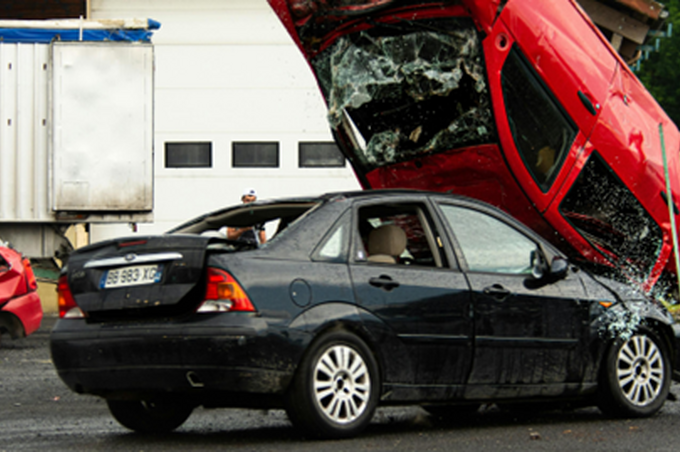
After a serious crash, the hardest part is often not just recovering from the injury itself. Many people also have to deal with insurance adjusters, medical bills, missed work, repair costs, and questions about who was legally at fault. In Virginia and North Carolina, this process can become especially difficult when a case involves disputed liability, long-term treatment, or injuries such as traumatic brain injury, spinal trauma, or permanent disability. Choosing a personal injury firm is not only about finding a lawyer who handles car accidents. It is also about understanding how each firm approaches settlement negotiation, demand letters, trial preparation, contingency fees, and communication with insurance companies. Some firms offer broad statewide coverage, while others focus on local court familiarity, boutique-style representation, or cross-state injury claims.
This comparison looks at several injury law firms (updated May 2026) commonly discussed in Virginia personal injury searches, with attention to their practice areas, fee structures, jurisdictions, case-handling approach, trust signals, and possible limitations. The goal is to help injured people compare options more clearly after a serious crash or insurance dispute.
Why Serious Crash Claims Often Become Insurance Disputes
Insurance disputes after serious crashes often become more complicated when injuries involve long-term medical treatment, disputed liability, or permanent disability. Cases involving traumatic brain injuries, spinal injuries, wrongful death claims, or commercial truck accidents may require extended negotiations because insurers frequently review medical records, wage-loss documentation, accident reconstruction reports, and future rehabilitation costs before agreeing to settlements.
Virginia personal injury law can also create additional challenges because the state follows a contributory negligence system. Under this rule, injured individuals may face difficulties recovering compensation if insurers argue they contributed even partially to the crash. North Carolina applies a similar contributory negligence standard, making legal strategy especially important in cross-state injury claims involving both jurisdictions.
Many injured drivers compare law firms not only based on courtroom experience, but also on how they handle insurance negotiations, demand letters, settlement strategy, case evaluations, and communication throughout the claims process.
1.Curcio Law
Curcio Law is a Richmond-based personal injury firm that handles motor vehicle accidents, wrongful death claims, and insurance disputes involving serious injuries. The City of Richmond’s Vision Zero dashboard reports 12,722 crashes over its current three-year tracking period, with a three-year annual average of 4,241 crashes, showing why Richmond-area injury firms often deal with recurring local collision and insurance-claim issues.
Practice Areas and Use Cases
The firm handles:
- Car accidents
- Truck accidents
- Motorcycle accidents
- Slip and fall claims
- Traumatic brain injuries
- Workers' compensation matters
- Wrongful death litigation
Pricing and Fee Structure
Curcio Law uses contingency fee arrangements commonly described as "no win, no fee" representation. Free consultations are typically available for injury claims.
Jurisdictions
The firm primarily focuses on Virginia personal injury law and accident claims involving Virginia courts and insurance systems.
Process and Case Handling
Educational material references case evaluations, filing claims, settlement negotiations, statute of limitations concerns, demand letters, and trial representation.
Credentials and Trust Signals
The firm and its attorneys have appeared in Virginia legal directories and peer-review platforms discussing personal injury litigation.
Pros and Cons
|
Pros |
Cons |
|
Strong regional familiarity with Virginia injury claims and Richmond-area courts |
Smaller geographic reach than statewide firms |
|
Handles multiple accident-related practice areas |
More limited multi-state claim coverage |
|
A boutique-firm structure may allow more direct attorney communication |
Smaller attorney roster compared to larger practices |
|
Includes trial and settlement representation |
|
2.Slaughter & Lupton Law
Injury lawyers Virginia and North Carolina at Slaughter & Lupton Law handle injury litigation involving Virginia and North Carolina accident claims, insurance disputes, and personal injury representation across both states. The firm also maintains a LinkedIn profile discussing injury litigation and legal services.
Practice Areas and Use Cases
The firm handles:
- Car accidents
- Truck accidents
- Motorcycle accidents
- Wrongful death claims
- Slip and fall litigation
- Traumatic brain injuries
- Dog bite claims
- Workers' compensation matters
Pricing and Fee Structure
Slaughter & Lupton Law operates on a contingency fee basis and offers free consultations for injury claims. Attorney fees are structured as a percentage of settlement recovery, meaning clients pay nothing unless compensation is recovered.
Jurisdictions
The practice covers both Virginia personal injury law and North Carolina tort law, including dual-state representation and cross-state injury claims, a distinction that sets it apart from most Virginia-only practices in this comparison.
Process and Case Handling
The firm references case evaluations, settlement negotiations, filing injury claims, statute of limitations issues, demand letters, and trial representation involving insurance disputes after serious crashes. Virginia DMV reported 127,597 traffic crashes in Virginia in 2023, while North Carolina’s 2023 Crash Facts report recorded 284,157 reportable traffic crashes, making dual-state injury representation relevant for firms handling both Virginia and North Carolina accident claims.
Credentials and Trust Signals
Educational materials reference case results, client reviews, peer-review recognition, and attorney memberships connected to Virginia and North Carolina legal practice.
Pros and Cons
|
Pros |
Cons |
|
Handles both Virginia and North Carolina claims, one of the few firms in this comparison with dual-state coverage |
Smaller firm structure than some statewide competitors |
|
Covers multiple serious-injury practice areas, including dog bite and TBI claims |
Less statewide advertising visibility than larger Virginia brands |
|
A boutique-firm structure may provide more individualized communication |
Cross-state claim handling may involve differing procedural requirements in each jurisdiction |
|
Includes insurance negotiation and litigation services |
|
3.Marks & Harrison
Marks & Harrison is a statewide Virginia injury firm with offices serving multiple regions across the state.
Practice Areas and Use Cases
The firm handles:
- Car accidents
- Truck accidents
- Wrongful death claims
- Motorcycle accidents
- Workers' compensation disputes
- Medical malpractice matters
Pricing and Fee Structure
Marks & Harrison commonly uses contingency fee representation and free consultation models for injury-related claims.
Jurisdictions
The practice primarily focuses on Virginia injury litigation and accident claims involving Virginia insurance systems and courts. Virginia DMV’s 2023 Traffic Crash Facts report recorded 63,876 people injured in Virginia traffic crashes, with an average of 175 people injured per day because of traffic crashes statewide.
Process and Case Handling
Educational material discusses settlement negotiations, insurance disputes, filing claims, trial preparation, and statute of limitations considerations.
Credentials and Trust Signals
The firm appears in legal directories, peer-review systems, and attorney-rating platforms associated with Virginia personal injury practice.
Pros and Cons
|
Pros |
Cons |
|
Large statewide office presence across Virginia |
Higher-volume structure may feel less individualized for some clients |
|
Handles high-volume accident claims across multiple practice areas |
Large caseloads can affect communication timelines |
|
Extensive visibility across Virginia legal advertising |
Less focused on boutique-style or cross-state representation |
|
Covers multiple injury practice categories |
|
4.Tavss Fletcher
The Hampton Roads Transportation Planning Organization reported 24,712 crashes in Hampton Roads in 2022, resulting in more than 15,000 injuries and 162 deaths, reflecting the region’s high crash volume. Tavss Fletcher is a Hampton Roads-area injury firm frequently associated with personal injury litigation and insurance negotiation matters in the Norfolk region.
Practice Areas and Use Cases
The firm deals with:
- Car accidents
- Truck accidents
- Wrongful death claims
- Motorcycle accidents
- Traumatic brain injuries
- Slip and fall litigation
Pricing and Fee Structure
The practice commonly uses contingency fee arrangements and free consultation structures for injury claims.
Jurisdictions
Tavss Fletcher primarily focuses on Virginia injury litigation, particularly within Norfolk and the surrounding Hampton Roads jurisdictions.
Process and Case Handling
Educational material references settlement negotiations, filing claims, trial representation, demand letters, and statute of limitations issues involving injury litigation.
Credentials and Trust Signals
The firm appears in peer-review listings, attorney directories, and regional legal-recognition systems connected to Virginia personal injury law.
Pros and Cons
|
Pros |
Cons |
|
Strong regional familiarity with Hampton Roads courts and local insurance systems |
More geographically concentrated practice than statewide firms |
|
Focused personal injury litigation practice |
Smaller footprint outside the Hampton Roads area |
|
Handles serious crash and injury matters |
Less cross-state representation emphasis |
|
Regional visibility in local legal search results |
|
5.Rutter Mills
Rutter Mills is a Hampton Roads-based injury firm with over 65 years of practice in Virginia personal injury law. The firm operates out of Norfolk and Newport News and also serves clients in northeastern North Carolina.
Practice Areas and Use Cases
The firm handles:
- Car accidents
- Truck accidents
- Motorcycle accidents
- Wrongful death claims
- Workers' compensation disputes
- Maritime injuries
- Slip and fall cases
- Traumatic brain injuries
- Medical malpractice matters
Pricing and Fee Structure
Rutter Mills uses contingency fee arrangements and offers free consultations for injury claims.
Jurisdictions
The practice covers Virginia injury litigation across Hampton Roads and surrounding regions, and extends representation to northeastern North Carolina in some cases.
Process and Case Handling
The firm references case evaluations, settlement negotiations, demand letters, trial preparation, filing claims, and statute of limitations considerations in its educational materials.
Credentials and Trust Signals
Rutter Mills has been recognized locally and nationally over its 65-year history and appears in legal directories, attorney-rating platforms, and peer-review systems. The firm reports that more than 2,000 motorcycle accidents occur on Virginia's roads every year, a category it handles regularly.
Rutter Mills’ regional focus is relevant because Hampton Roads sees a high volume of serious traffic incidents. According to the Hampton Roads Transportation Planning Organization, the region recorded 24,712 crashes in 2022, resulting in more than 15,000 injuries and 162 deaths. The agency also reported that a crash occurred about every 21 minutes in Hampton Roads that year.
Pros and Cons
|
Pros |
Cons |
|
Over 65 years of Virginia personal injury experience |
Primary footprint concentrated in Hampton Roads; less presence in other Virginia regions |
|
Handles a broad range of practice areas, including maritime and medical malpractice |
Large caseload volume may affect individualized communication for some clients |
|
Covers some northeastern North Carolina claims in addition to Virginia |
Less emphasis on boutique-style representation |
|
Strong regional reputation across Hampton Roads |
|
6.Breit Biniazan
NHTSA reported that 5,472 people were killed in crashes involving large trucks in 2023, and 70% of those killed were occupants of other vehicles, which helps explain why truck accident and catastrophic injury claims often involve complex insurance disputes. Breit Biniazan is a Virginia-based injury litigation firm known for handling catastrophic injury and serious accident cases in the Norfolk and Virginia Beach area.
Practice Areas and Use Cases
The firm deals with:
- Truck accidents
- Catastrophic injury claims
- Wrongful death litigation
- Traumatic brain injuries
- Medical malpractice claims
- Major insurance disputes
Pricing and Fee Structure
The practice uses contingency fee arrangements and generally offers free consultations for serious injury matters.
Jurisdictions
Breit Biniazan handles Virginia injury litigation and may address regional claims involving multi-jurisdiction accident issues.
Process and Case Handling
Educational resources reference settlement negotiations, case evaluations, trial preparation, insurance disputes, filing claims, and litigation strategy.
Credentials and Trust Signals
The firm appears in legal directories, attorney-rating platforms, and peer-review systems discussing high-value injury litigation.
Pros and Cons
|
Pros |
Cons |
|
Strong visibility in catastrophic injury and high-value accident litigation |
A larger firm structure may feel less personal for some clients |
|
Handles complex multi-party insurance disputes |
Greater focus on major injury litigation than on smaller or moderate claims |
|
Includes trial-focused litigation experience |
Less boutique-style communication approach |
|
Covers multiple severe-injury categories, including TBI and wrongful death |
|
Summary Table
|
Law Firm |
Best For |
Fee Structure |
Limitation |
|
Curcio Law |
Richmond-area injury representation |
Contingency fee |
Smaller geographic footprint |
|
Slaughter & Lupton Law |
Virginia and North Carolina injury claims |
Free consultation and contingency fee |
Smaller boutique structure than statewide firms |
|
Marks & Harrison |
Statewide Virginia coverage |
No win, no fee |
Higher-volume caseload approach |
|
Tavss Fletcher |
Hampton Roads injury litigation |
Contingency fee |
More regionally concentrated practice |
|
Rutter Mills |
Hampton Roads and northeastern NC injury claims |
Contingency fee |
Less presence outside the Hampton Roads region |
|
Breit Biniazan |
Catastrophic injury and litigation visibility |
Contingency fee |
A larger firm structure may feel less personalized |
Frequently Asked Questions
Do Virginia injury lawyers usually charge upfront fees?
Many personal injury firms in Virginia use contingency fee structures, meaning clients generally do not pay attorney fees unless compensation is recovered through settlement or litigation. Attorney fees are typically calculated as a percentage of the final settlement or verdict amount.
Can a Virginia lawyer handle a North Carolina crash claim?
Some firms handle cross-state injury claims involving both Virginia personal injury law and North Carolina tort law, although procedural rules, statutes of limitations, and damage frameworks may differ between states. Firms with established dual-state practice are generally better positioned to advise on which jurisdiction offers the most favorable outcome.
What happens if an insurance company denies a serious crash claim in Virginia?
Denied claims may lead to additional negotiations, demand letters, appeals, or litigation, depending on the evidence, injuries, and liability issues involved. Virginia's contributory negligence rule, which can bar recovery if the claimant is found even partially at fault, makes early legal consultation particularly important.
Are boutique injury firms better than large statewide firms for dealing with insurers?
Boutique firms may provide more individualized attorney communication and local court familiarity, while larger firms may offer broader staffing resources, statewide office networks, and greater name recognition with insurers. The best fit depends on the complexity of the claim, the jurisdiction, and the client's communication preferences.
How long do serious injury settlements in Virginia usually take?
Settlement timelines vary widely depending on medical treatment duration, insurance disputes, liability investigations, and whether trial litigation becomes necessary. According to the Bureau of Justice Statistics, motor vehicle accident cases last an average of 20 months when they proceed through the court system, though many cases resolve earlier through negotiated settlements.
Endnote
Insurance disputes after serious crashes can involve complex medical documentation, liability investigations, lost-income calculations, and long-term rehabilitation concerns. Virginia's contributory negligence standard adds an additional layer of complexity that makes legal representation more consequential than in many other states.
Some firms focus on statewide volume and large advertising reach, while others emphasize boutique-style representation, local court familiarity, or cross-state injury litigation involving Virginia and North Carolina claims.
Comparing firms carefully, including fee structure, jurisdiction experience, settlement approach, and communication style, may help injured individuals identify representation that aligns with their circumstances after a serious accident.