





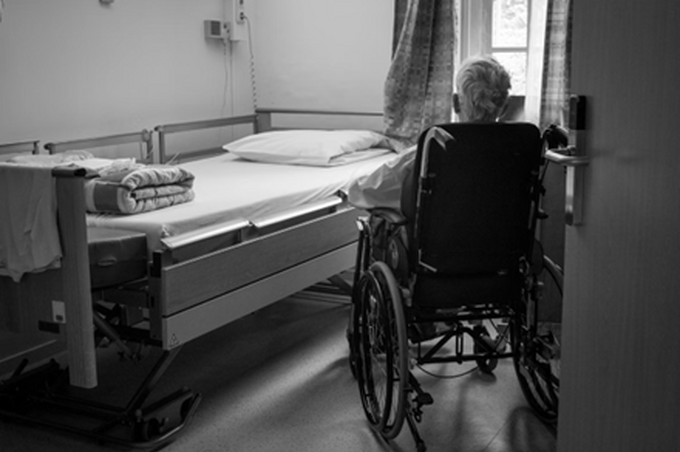
Foto de Annabel Podevyn en Unsplash If you have an elderly family member in a nursing home facility, they could be going through abuse without you even knowing about it. Many of these cases come as subtle or harmless acts and go unreported, making it difficult for victims to realize when they’re being abused.
However, with keen observation, you can spot these instances of abuse and help your loved ones get the compensation they deserve. Here are a few crucial signs that your loved one might need compensation for the abuse they’re going through in the nursing home.
Bruises and Unexplained Physical Injuries
While bruises and injuries can be expected in elderly accidents when going about their tasks, some injuries can be suspicious and worth questioning. If you notice injuries are happening too often, it could be time to start questioning staff members and your loved one for a possible explanation. Since the staff are responsible for monitoring those who are susceptible to injury, it’s their responsibility to provide answers to questions about injury situations that occur under their care.
Nursing home employees might be responsible for injuries like bruises, scratches, broken bones, bite marks, and cuts. Your loved one might feel threatened not to expose the abuse, but if they’re constantly being admitted to a hospital with injuries, it’s a sign they need immediate help. Upon confirmation of abuse, it’s important to talk to local attorneys, like the nursing home abuse and neglect attorneys in Georgia, for help with compensation.
Emotional Disturbance
After some time in the nursing care facility, your loved one might start to show signs of emotional unrest or disturbance that they initially didn’t exhibit. The common emotional disturbance or abuse signs you should check out for include weird behavior that resembles symptoms of dementia, such as:
-
Mumbling behaviors
-
Rocking behaviors
-
Sucking of the thumb
-
Losing concentration or interest in conversations they once loved
More often, emotional disturbance is contributed to by aggressive behaviors from the caregivers and staff directed at your loved one or other elderly persons in the nursing home. When they witness controlling, threatening, or belittling behavior so often, they may end up developing the above symptoms, which might affect their emotional stability.
Dehydration and Malnutrition
A few weeks or months in a nursing facility is enough time to expose nutritional health changes in your loved ones. If you notice a progressive negative change in their physique and stamina, where they gradually start to become weak, it could be a sign they’re not being fed well. Cruel caregivers might withdraw water or food from their patients as a way to punish or take out a personal vendetta against them.
Sadly, most patients find it hard to speak out about these harsh treatments, and you might just have to figure it out yourself. If you notice rapid weight loss or dehydration, it’s important to ask questions immediately and seek specialized care as investigations continue. You can work with reputable lawyers to help investigate the matter for optimal compensation.
If your family member showcases any of these signs during their stay in a nursing home, it’s important to take legal action as soon as investigations are done. When such issues are handled legally, it helps restore good faith and dedicated care in nursing facilities as opposed to when nothing is done.