





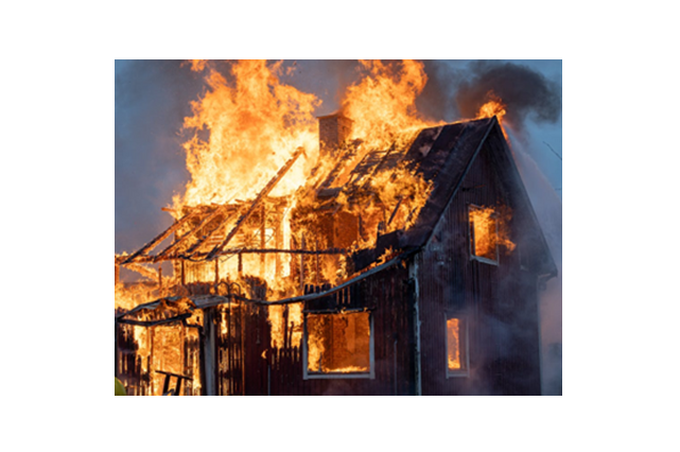
Losing your home to a wildfire triggers an overwhelming sequence of decisions: file FEMA paperwork, dispute insurance underpayments, and potentially pursue utility negligence claims, often all at once. Choosing legal representation can be the difference between a lowball settlement and a full recovery. According to the UNDR, ‘wildfires caused an estimated $106 billion in economic losses’ between 2014 and 2023.
What to Do If You Suffered Wildfire Damage
If you have suffered any damages as a result of a wildfire you need to follow the below steps:
- Document all damage before any legal consultation: photograph structures, preserve utility notices, and keep all insurance correspondence.
- File a FEMA disaster assistance application if a federal disaster declaration covers your area. This does not foreclose private legal claims.
- Evaluate legal representation using the firm profiles below. Each entry covers pricing, services, pros and cons, use cases, and adjacent policy context.
1. Watts Guerra
Pricing/Fees: Contingency model, estimated 33% to 40% of recovery, no upfront fees and offers free consultation.
Features/Services: Mass tort wildfire litigation, class action coordination and utility negligence claims against PG&E and SCE. Has a large multi-plaintiff case management program across multiple fire events.
Pros:
- Documented experience managing thousands of simultaneous wildfire claimants.
- Strong infrastructure for class action coordination.
- Recognized name in utility negligence litigation.
Cons:
- Texas-based headquarters may limit familiarity with other local courts.
- High caseload volume can reduce individual client attention.
- Less direct community presence for NorCal victims.
Use Cases: PG&E Camp Fire and Paradise fire survivors, large multi-plaintiff groups and assists victims with complex utility negligence claims
Adjacent Topics: PG&E bankruptcy proceedings and victim compensation trust structures, utility deregulation policy and its documented contribution to wildfire ignition risk.
2. Estey & Bomberger
Pricing/Fees: Contingency basis, free initial consultation and works on a no fee unless compensation is recovered model.
Features/Services: San Diego-based personal injury and wildfire practice, Camp Fire representation and insurance dispute support. Offers assistance for property damage and smoke inhalation injury claims.
Pros:
- California-licensed with direct state court experience.
- Demonstrated Camp Fire case involvement.
- PI foundation supports both injury and property claims in a single engagement.
Cons:
- Wildfire practice sits alongside immigration, employment and general PI work, which may limit wildfire specialization.
- Smaller national footprint than mass tort firms handling simultaneous multi-state events.
Use Cases: Camp Fire and NorCal fire survivors; Southern California fire victims, clients pursuing both personal injury and property destruction claims.
Adjacent Topics: HOA and landlord defensible space compliance as a basis for third-party liability, climate-driven fire season expansion affecting insurance availability across California counties.
3. Fire Help Center
Pricing/Fees: Contingency fee model with free case evaluation, no fees unless compensation is recovered. No upfront payment required when a percentage-of-settlement structure agreement is entered into.
Features/Services: Fire Help Center handles the full wildfire claim lifecycle: case evaluation, insurance claim disputes, utility negligence litigation (PG&E, SCE/Edison), FEMA claim assistance, property damage assessment, class action representation, smoke and health damage claims, and HOA/landlord liability cases. They also provide valuable resources for what to do during a fire related emergency.
Pros:
- Purpose-built wildfire practice rather than a general personal injury firm,
- Covers FEMA assistance through utility litigation without requiring multiple attorneys.
- Handles both NorCal and out-of-state fire events, including Maui wildfire claims.
Cons:
- More constrained than national mass tort operations.
- Brand recognition outside California is still developing.
Use Cases: PG&E and SCE/Edison-caused fire victims, Maui wildfire claimants, smoke and health damages cases, offers FEMA claim navigation and HOA and landlord liability dispute assistance.
Adjacent Topics: Carbon insurance markets and climate risk pricing for rebuilt structures, California forest management policy and state accountability for fire prevention investment.
4. Wilshire Law Firm
Pricing/Fees: Works on a contingency fee structure and offers free consultations with no upfront payments needed.
Features/Services: Statewide California catastrophic loss and wildfire litigation, class action coordination, property damage recovery and handles smoke inhalation personal injury claims.
Pros:
- Established California litigation team with statewide NorCal and SoCal reach.
- Broad catastrophic loss experience translated directly to complex wildfire cases.
Cons:
- Wife practice diversity means wildfire work competes for firm resources.
- Less name-specific recognition within NorCal wildfire communities.
Adjacent Topics: Long-term health liability from smoke and air toxics exposure, climate insurance market restructuring and its effect on post-fire rebuilding costs.
5. Arnold Law Firm
Pricing/Fees: Works on a contingency fee basis with no fees without recovery and provides free consultations.
Features/Services: Sacramento-area wildfire and personal injury practice, NorCal utility negligence claims, property damage litigation and class action coordination for Northern California fire events.
Pros:
- Sacramento location places the firm at the center of the most destructive fires.
- Regional focus enables more targeted case strategy for Butte County and Sierra Nevada fire zones.
Cons:
- Regional concentration limits meaningful reach for Southern California or out-of-state fire events.
- Smaller firm scale may constrain capacity for high-volume plaintiff groups.
Use Cases: Specific focus on NorCal wildfire victims, Butte County, Sacramento Valley and Sierra foothill claimants, handles utility equipment negligence in Northern California.
Adjacent Topics: California forest management reform and federal agency accountability, defensible space regulations and municipal compliance liability.
6. Carter Wolden Curtis
Pricing/Fees: Works on a contingency fee model with free case reviews and no payment unless the case is won.
Features/Services: Sacramento-based NorCal wildfire representation with insurance bad faith litigation. Assist victims with catastrophic personal injury claims and property damage recovery. Has a history of Camp Fire and Dixie Fire case history.
Pros:
- Deep NorCal community roots with established Sacramento-area court relationships,
- Specifically recognized for wildfire victim advocacy rather than general PI.
Cons:
- Limited visibility and operational reach outside Northern California.
- A smaller firm footprint reduces capacity for simultaneous large-scale class actions.
Use Cases: NorCal wildfire survivors, insurance bad faith claimants, and Camp Fire, Dixie Fire and North Complex Fire victim representation. Assists clients whose insurers have unreasonably delayed or denied claims.
Adjacent Topics: California utility deregulation accountability and CPUC enforcement gaps. State climate adaptation policy and wildfire risk management funding.
Firm Comparison Table
|
Firm |
Pricing |
Key Feature |
Best For |
Notable Limitation |
|
Watts Guerra |
33% to 40% contingency basis |
Mass tort coordination |
Large multi-plaintiff class actions |
Texas HQ: high caseload volume |
|
Estey & Bomberger |
Contigency, free consult |
PI + wildfire combined |
Camp Fire and SoCal personal injury |
Generalist firm, not wildfire-exclusive |
|
Fire Help Center |
Contingency, free evaluation |
Full-lifecycle wildfire claims |
Utility negligence + FEMA assistance |
Growing brand vs established mass tort firms. |
|
Wilshire Law Firm |
Contingency free consult |
Statewide litigation team |
Statewide catastrophic loss claims |
Broad practice areas dilute wildfire focus. |
|
Arnold Law Firm |
Contingency, free consult |
NorCal regional expertise |
NorCal utility negligence cases |
Limited reach for SoCal or out-of-state fires. |
|
Carter Wolden Curtis |
Contingency, free review |
Insurance bad faith litigation |
NorCal bad faith and Camp Fire claims |
Limited reach outside North California |
Frequently Asked Questions
How long do I have to file a wildfire lawsuit in California? California’s statute of limitations for property damage and personal injury is generally two to three years from the fire date, but utility negligence and insurance bad faith timelines may differ.
Can I sue PG&E or SCE if their equipment caused the fire? Yes. California law permits utility negligence claims when equipment failures contribute to fire ignition. Most firms listed here carry active utility litigation dockets.
What if I already received DEMA assistance - can I still sue? FEMA assistance and civil litigation are separate tracks. Receiving federal aid does not bar insurance disputes or utility negligence claims, through it may affect the final damage calculation.
Conclusion
The Problem: Recovering from a wildfire is a second disaster when you are fighting insurance lowballs and complex utility negligence claims alone.
Key Takeaways: Whether you need a local advocate or a mass tort powerhouse, specialized legal expertise is the bridge between a lowball settlement and total restoration.
Next Steps:
- Archive all damage photos and correspondence.
- Book free consultation with your top firm picks.
- File for FEMA aid if applicable in your area.
Cons:
-
Texas-based headquarters may limit familiarity with other local courts.
-
High caseload volume can reduce individual client attention.
-
Less direct community presence for NorCal victims.
Use Cases: PG&E Camp Fire and Paradise fire survivors, large multi-plaintiff groups and assists victims with complex utility negligence claims.
Adjacent Topics: PG&E bankruptcy proceedings and victim compensation trust structures, utility deregulation policy and its documented contribution to wildfire ignition risk.