





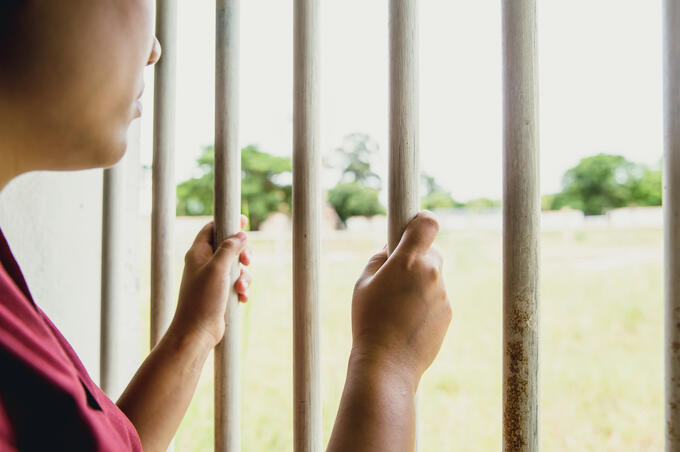
Addressing human rights violations within the correctional and law enforcement systems is a pressing societal challenge. Imagine a situation where someone’s rights are infringed during incarceration or in police custody—what safeguards exist, and how can these systems be held accountable? This guide explores the complexities of identifying issues, legal recourse, and steps communities can take to champion justice and dignity for all individuals behind bars or facing law enforcement misconduct.
Recognizing Human Rights Violations in Correctional and Law Enforcement Settings
Human rights violations in jails, prisons, and during police interactions can take many forms, from excessive force to denial of medical care or sexual abuse. Recognizing these abuses is the first crucial step toward accountability. Incarcerated individuals, especially women, are particularly vulnerable to certain abuses, as seen in cases requiring the expertise of a. Awareness is essential for families, advocates, and individuals working within these systems to identify warning signs and patterns of misconduct.
Legal Frameworks and Protections
The United States has established a range of legal protections intended to safeguard individuals against state-sanctioned abuse. Constitutional rights under the Eighth Amendment (prohibiting cruel and unusual punishment) and the Fourteenth Amendment (guaranteeing due process and equal protection) form the bedrock of protections for incarcerated individuals. Federal statutes, such as the Civil Rights of Institutionalized Persons Act (CRIPA), empower the Department of Justice to investigate systemic abuses. State laws may offer additional remedies, but enforcement often hinges on vigilant oversight and public pressure.
The Role of Advocacy and Oversight
External oversight and advocacy play a pivotal role in addressing and preventing human rights violations. Independent watchdog organizations, legal aid groups, and ombuds offices monitor conditions and investigate complaints. Community engagement and media attention can bring systemic issues into public view, prompting reforms. The following checklist outlines key actions for advocates and concerned citizens:
-
Document and report suspected abuses promptly and thoroughly.
-
Contact legal aid organizations specializing in civil rights cases.
-
Engage with local and national advocacy groups for support and resources.
-
Encourage independent investigations and transparency within institutions.
-
Support legislative reforms aimed at increasing oversight and accountability.
Legal Recourse for Victims
Victims of abuse within law enforcement or correctional settings have several legal avenues for seeking justice. Civil lawsuits provide one route to hold individuals or institutions accountable for violations. For example, a personal injury lawyer for prisoners can assist incarcerated individuals in seeking compensation for harm suffered as a result of negligence or deliberate abuse. Additionally, criminal charges may be brought against perpetrators when evidence supports prosecution. However, victims often face significant barriers, including fear of retaliation, lack of access to legal resources, and procedural hurdles.
Addressing Systemic Issues: Reform and Prevention
While addressing individual cases is crucial, preventing future violations requires systemic reform. This involves revising use-of-force policies, improving staff training, expanding mental health services, and enhancing transparency in disciplinary proceedings. Effective reform also depends on robust complaint mechanisms and data collection to identify trends and target interventions. The engagement of legal professionals, such as a new york police brutality lawyer, is often essential in advocating for policy changes and representing victims in high-impact cases.
Building a Culture of Accountability and Respect
Sustainable change is rooted in fostering a culture of accountability and respect for human dignity within correctional and law enforcement agencies. This requires leadership commitment, ongoing staff education, clear disciplinary consequences for misconduct, and active involvement from the community. Regular reviews of institutional practices and policies, coupled with open channels for feedback from those impacted by the justice system, can strengthen trust and reduce incidences of abuse.
Conclusion
Addressing human rights violations within the correctional and law enforcement systems requires coordinated efforts on multiple fronts—legal, social, and institutional. By recognizing abuses, leveraging legal frameworks, supporting advocacy and oversight, and pursuing both individual and systemic remedies, society can move closer to upholding justice for all, even in the most challenging environments. Ongoing vigilance, reform, and community engagement remain essential to ensuring that dignity and rights are protected behind bars and beyond.