





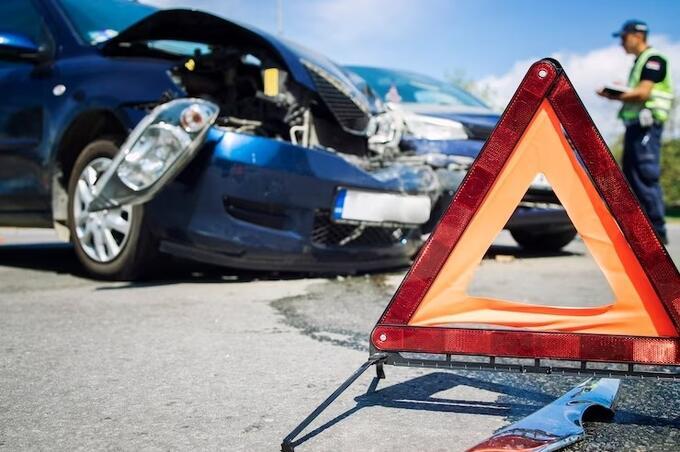
What Are the Financial Implications for Victims of Car Accidents?
Car crashes can have a significant impact on someone's finances, including the following:
- Medical Expenses. Emergency care, long-term care, rehabilitation, and therapies may also be needed depending on the extent of a person’s injuries.
- Property Damage. Damage to one’s vehicle may exceed insurance policy limits, leaving accident victims with uncompensated damages.
- Loss of Income and Earning Potential. When injuries are severe, the inability to work can quickly drain someone's resources.
Victims may also face a host of other expenses, such as rental car fees, repair or replacement costs for personal items that were damaged in the accident, and increased auto insurance premiums.
Understanding the Psychological Toll of an Accident
After a car accident, psychological injuries can affect someone's life just as much as any physical injury. Post-traumatic stress disorder (PTSD), depression, and anxiety are all serious conditions that can stem from the accident itself, the challenges of the recovery process, or the financial and lifestyle changes the accident entails.
Victims suffering from PTSD may experience flashbacks or nightmares. They may even avoid being in a vehicle entirely, significantly restricting their day-to-day activities. Meanwhile, depression and anxiety can prevent victims from enjoying the same hobbies they once did, socializing, or performing their jobs effectively.
The Effect of Car Accidents on Society
Car accidents have lasting effects that permeate local and state economies and societies. In 2019, the National Highway Traffic Safety Administration estimated the economic cost of car accidents in the United States to be $339.8 billion. Of this total, medical costs made up $30.9 billion while property damage accounted for $115.3 billion, highlighting the need for experienced professionals such as fort walton beach lawyers to help navigate legal and financial complexities.
Societal impacts, like loss of enjoyment of life, dependence on others for care, and permanent disabilities totaled $1.37 trillion in 2019, over four times the economic cost.
What Is Chicago Doing to Reduce Car Accidents?
Every year, the Chicago Department of Transportation (CDOT) outlines key traffic accident trends and how the city is working to address safety concerns in its "Chicago Traffic Crashes Annual Report." In its 2024 report, CDOT highlighted its current key initiatives, including:
- Clearly defined spaces for all vehicles. Bicycle lanes, public transportation lanes, and vehicle lanes will all be marked and visible.
- Pedestrian-friendly installations. Pedestrian refuge islands, curb bump-outs, and shorter crossing distances in pedestrian right-of-ways.
- Establishment of clear sight lines. Removing parked cars and other obstructions at corners so that all street users are aware of and visible to one another.
- Increased speed management. Reduced lane widths and speed limits are possible strategies to deter speeding.
While these initiatives will not prevent all traffic crashes, they can serve as safeguards to help reduce Chicago car accidents in the future.
How a Car Accident Lawyer Can Help Victims Manage the Costs of An Accident
No one likes to think they’ll be involved in a car accident, but even those who follow traffic laws can be victims. Seeking legal help from an experienced Chicago car accident lawyer is crucial.
An attorney can help you:
- Collect evidence to support your case.
- Help you understand who may be at fault.
- File your claim and negotiate with insurance carriers and other parties.
- Take your case to trial if necessary.
Being injured in an accident can be a life-changing event. Letting an attorney handle your claim can help maximize your compensation.